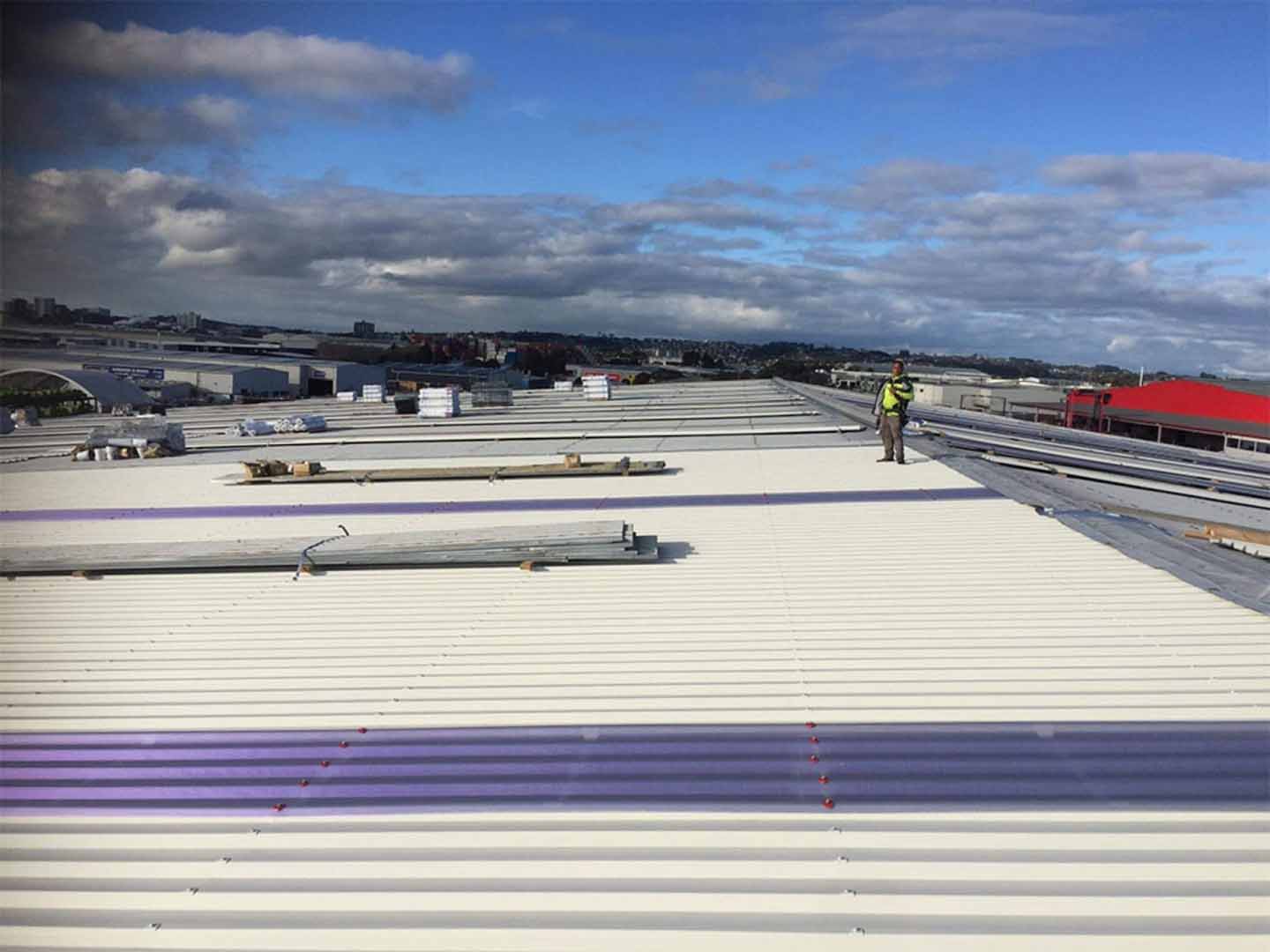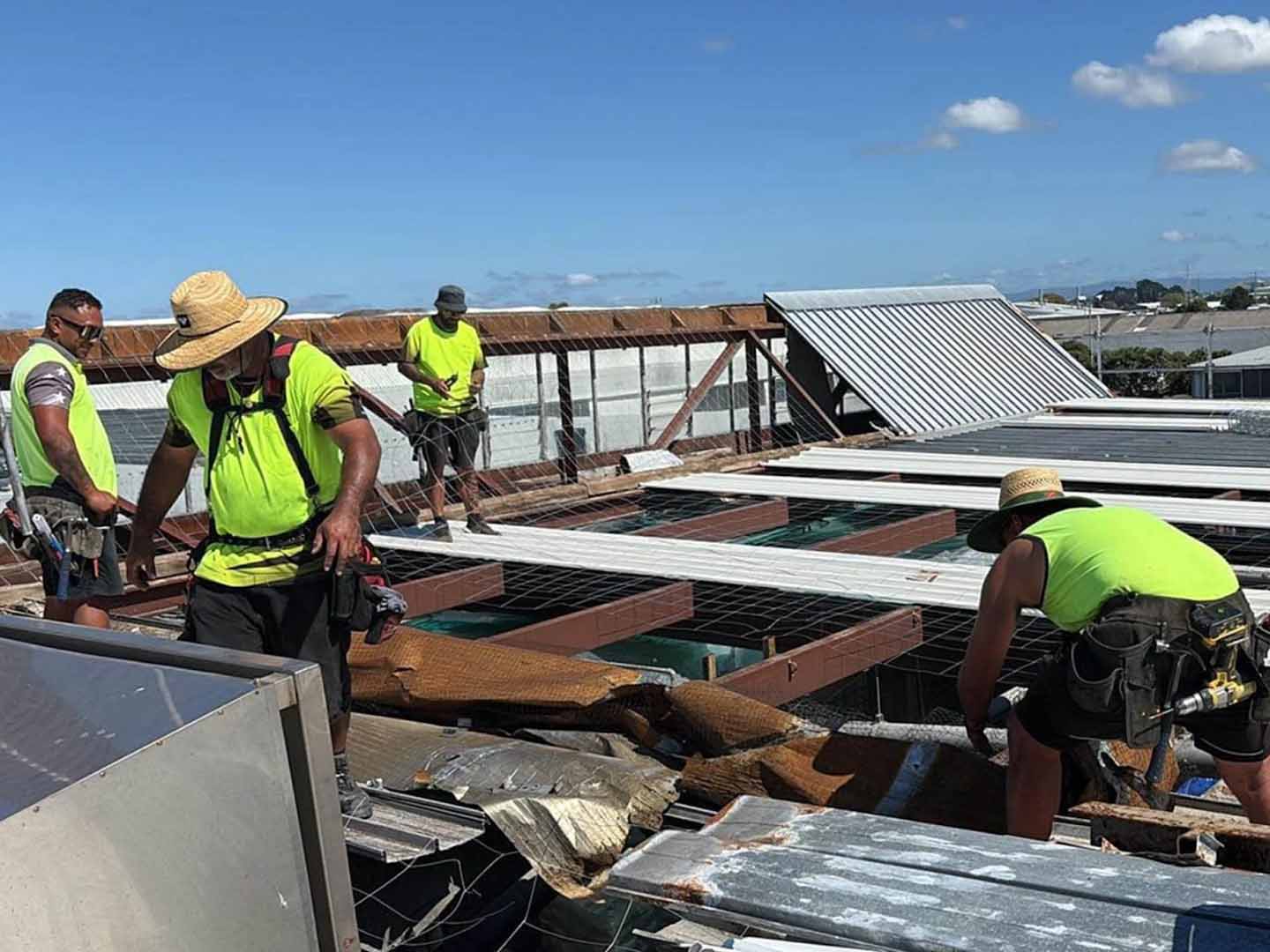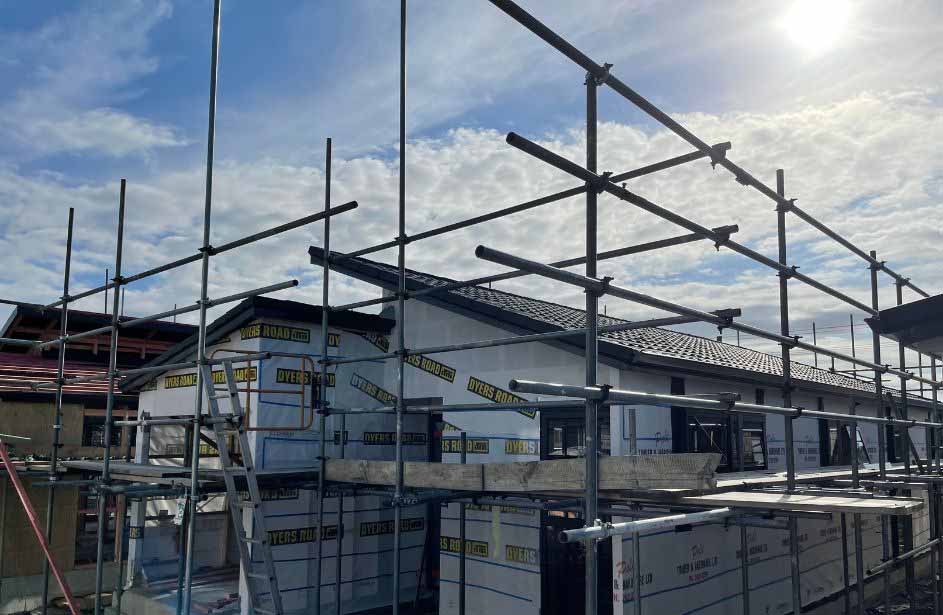
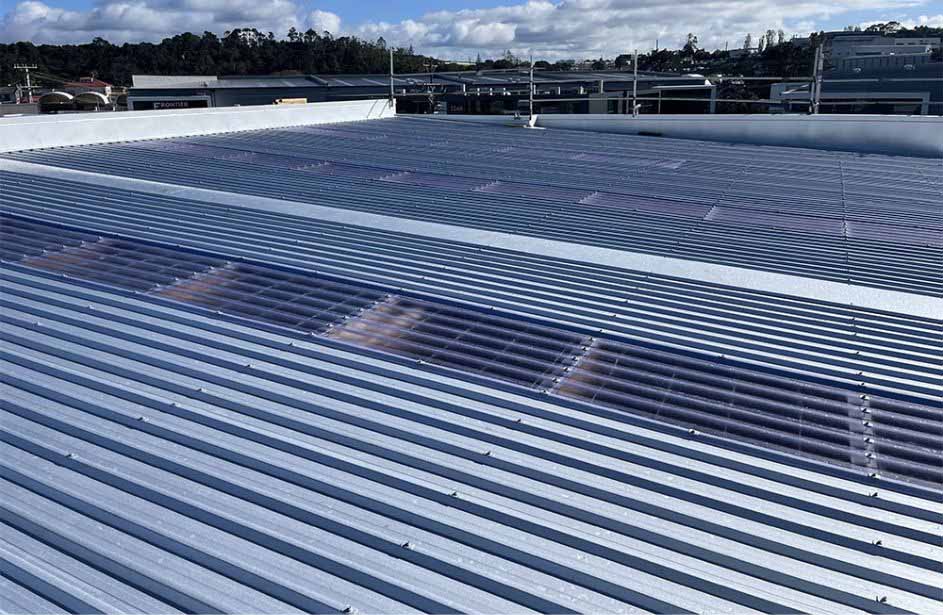
Industrial roofs do a different job to standard commercial buildings. A warehouse, factory, or distribution centre typically has a larger roof span, higher internal heat loads, more demanding ventilation requirements, and a far higher cost of downtime if something goes wrong.
If you manage an industrial site in Auckland, your roof protects stock, machinery, staff, and day-to-day operations. This guide breaks down what matters most for industrial roofing, what materials perform best in New Zealand conditions, and how to manage large-scale work while your site keeps running.
If you need advice for your building, talk to our team. Total Roofing has delivered industrial roofing solutions across Auckland since 1971.
Industrial roofing vs standard commercial buildings
Industrial roofs are often bigger, flatter (or low-pitch), and designed to cover open-plan spans. That changes the risk profile and the design approach.
Common industrial roofing challenges include:
- Higher exposure to wind uplift across wide roof planes
- Thermal movement over long sheet runs and large spans
- Condensation and internal moisture from manufacturing, forklifts, wash-down areas, or temperature swings
- Drainage and overflow risks on low-pitch areas and complex gutter lines
- Operational sensitivity, where a minor leak can damage stock, trigger shutdowns, or create safety hazards
Industrial buildings also rely heavily on roof penetrations and accessories, including ventilation systems, skylights, and safety access. That makes detailing and workmanship especially important.
Read more about the materials and trends shaping industrial roofing right now.
Best roofing materials for warehouses, factories, and distribution centres in NZ
For most industrial buildings in Auckland, the best-performing option is long-run steel roofing. It’s durable, low maintenance, lightweight, and suited to New Zealand’s weather conditions.
What warehouse and factory owners typically need from roofing materials:
- Weather resistance in heavy rain and high winds
- Long service life with manageable maintenance
- Fast installation for large areas
- Compatibility with accessories like ventilation, skylights, safety systems, and flashings
- Reliable detailing at penetrations, gutters, and junctions
Total Roofing specialises in long-run steel systems and delivers full industrial roofing installations as part of our commercial roofing services in Auckland, including guttering, downpipes, flashings, skylights, ventilation, and roof safety systems.
When reroofing becomes the smarter option
For older industrial sites, repairs can be cost-effective when the damage is localised. However, if corrosion is widespread, leaks are recurring, or the roof is nearing end-of-life, reroofing is often the better long-term investment.
A planned reroof can improve weatherproofing, reduce ongoing reactive repairs, and allow upgrades to insulation and ventilation while the roof is accessible.
Ventilation, insulation, and skylights for large industrial spans
Industrial roofs are not just about the outer layer. Performance often comes down to what sits underneath and what passes through the roof.
Ventilation
Factories and warehouses often trap heat and moisture. Good roof ventilation supports:
- reduced condensation and mould risk
- better temperature control
- improved working conditions
- protection for insulation and roof structure
The ventilation design needs to match your operation. A distribution centre with steady airflow requirements differs from a manufacturing facility with heat, fumes, or process moisture.
Insulation
Insulation is about comfort, condensation management, and energy efficiency. In industrial buildings, insulation decisions should consider:
- internal temperature stability
- machinery heat load
- humidity levels
- the impact of doors opening frequently
- the risk of condensation dripping onto stock or equipment
Upgrading insulation is often easiest during reroofing, when roof access is already part of the scope.
Skylights and natural light
For many industrial buildings, skylights reduce reliance on artificial lighting and improve workspace visibility. The key is professional detailing and placement, especially across large spans and around high-traffic zones. Total Roofing can install skylights and roof ventilation systems as part of new roof projects.
Managing large-scale reroofing while operations continue
For warehouse and factory owners, one of the biggest concerns is disruption. Industrial reroofing does not have to mean shutting down the site, but it does require planning, staging, and clear communication.
A “keep operating” approach typically involves:
- Staging the work in sections to limit exposure and maintain internal protection
- Programming around critical production windows or peak dispatch times
- Temporary weather protection planning as part of site setup
- Clear access routes and exclusion zones to keep staff safe
- Coordination with other trades where ventilation, sprinklers, or electrical penetrations are involved
Total Roofing’s process is built around minimising disruption, and we regularly work on large-scale sites where operations need to keep moving. If your roof is at the point where a replacement is likely, start with an assessment for commercial reroofing so that you can start planning before problems become urgent.
Climate change and industrial roofing resilience in Auckland
More intense rain events, stronger wind conditions, and temperature swings all place additional pressure on industrial roofing systems, especially on older roofs and sites with complex drainage.
If you’re planning for commercial re-roofing, it’s worth factoring in future-proofing, including:
- improved drainage capacity
- stronger detailing at gutters and junctions
- wind resilience and fastening integrity
- ongoing maintenance planning
For a deeper look at what this means for industrial buildings, read our article on The Impact of Climate Change on Industrial Roofing in Auckland.
Why Total Roofing is Auckland’s industrial roofing specialist
Total Roofing has delivered roofing solutions across Auckland since 1971, and we work with industrial clients who need durable results, efficient project management, and clear communication.
What you can expect from our team:
- 50+ years of proven roofing experience
- Licensed Building Practitioners and strong safety systems
- Long-run steel roofing expertise for industrial spans
- End-to-end service, from assessment to install
- Minimal disruption planning for operating sites
If you manage a warehouse, factory, or distribution centre and want clear advice on your roof’s condition, the next step is simple.