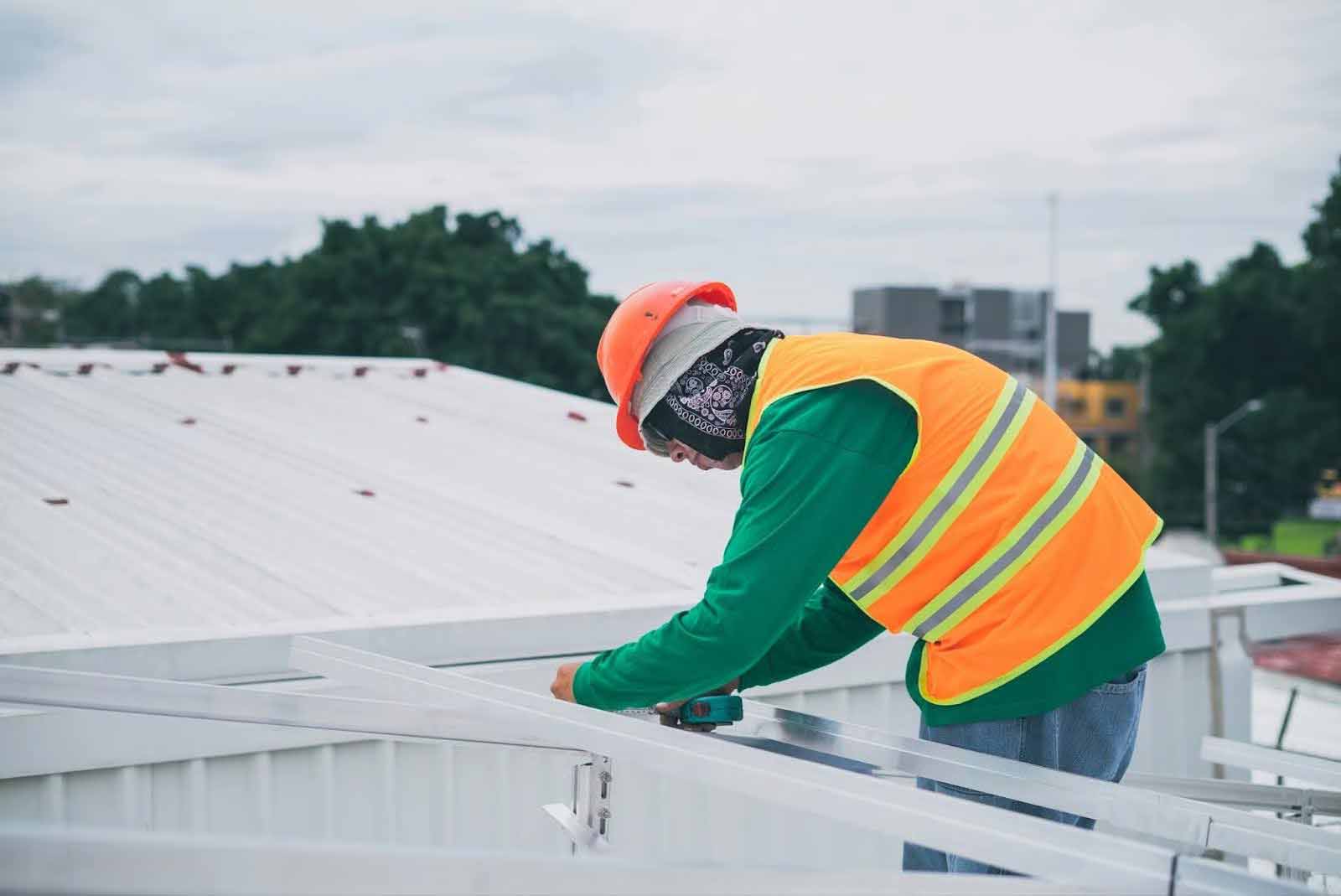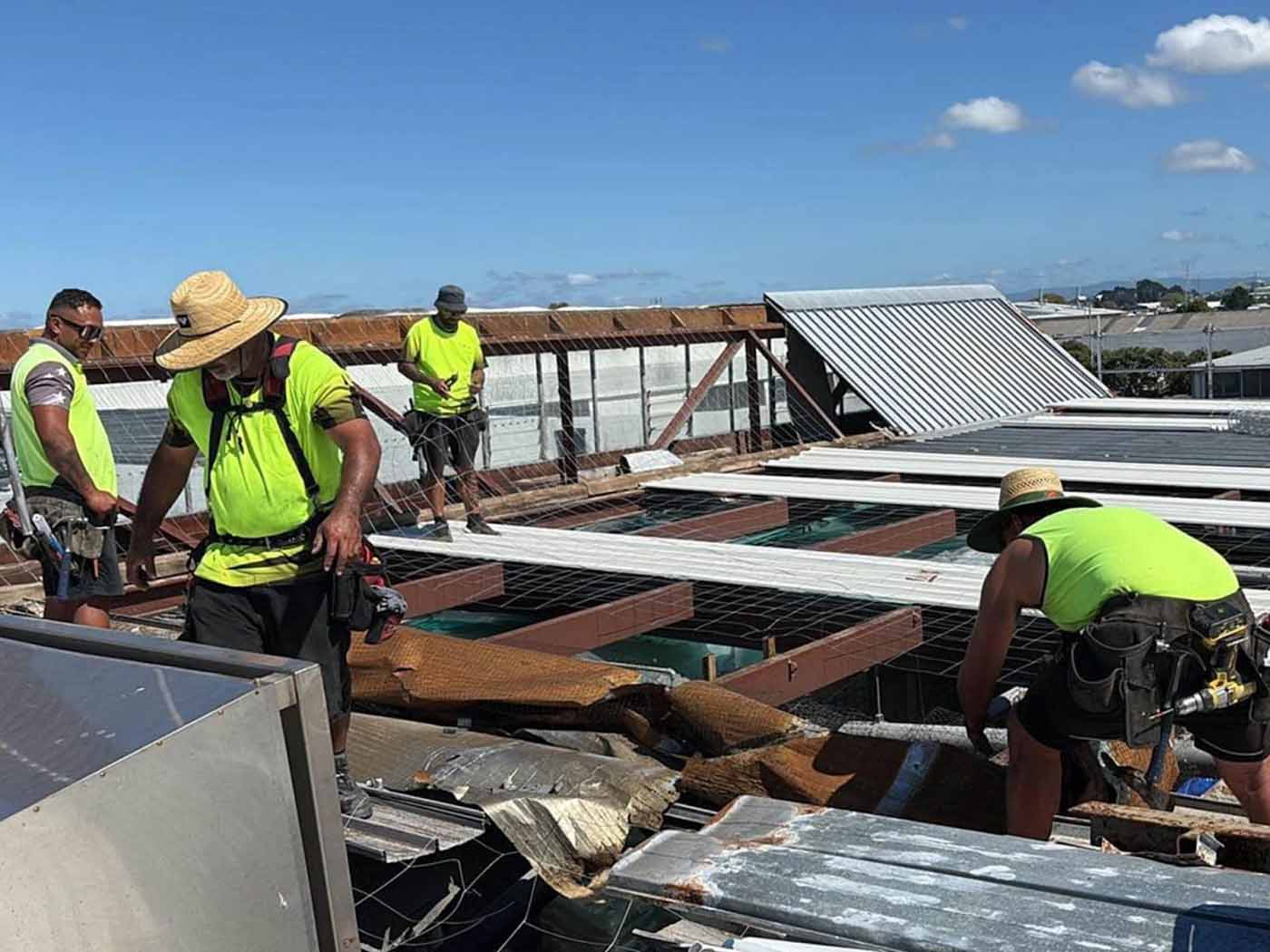

A commercial roof installation can help a build run smoothly, or it can quietly create problems that drag on for months.
We have seen both.
When the roofing scope is planned properly from the start, the job tends to move better, the other trades coordinate more easily, and the handover is cleaner. When roofing is left too late, under-specified, or treated like something that can just be dropped in near the end, it usually causes friction somewhere. Sometimes it is programme delays. Sometimes it is detailing issues. Sometimes it is missing safety systems, ventilation, or drainage decisions that should have been sorted earlier.
For developers, builders, and project managers, that matters. A commercial roof is a big-ticket part of the job, but it is also one of the key parts of protecting the entire building once the project is complete.
If you are planning a new commercial build or fit-out in Auckland, here is what we think is worth getting right.
Bring Your Roofer In Earlier Than You Think
One of the most common mistakes we see on new builds is the roofing contractor being brought in too late.
By that point, the frame may already be up, penetrations may already be set, service routes may already be assumed, and someone is suddenly trying to make the roof package fit decisions that were made without roofing input. That is when jobs start getting clunky.
We always prefer to be involved early. It gives us the chance to look at plans properly, flag practical issues, advise on profiles and materials, and make sure the roof integrates cleanly with the rest of the build. It also helps avoid awkward late-stage changes around flashings, drainage, cladding interfaces, safety systems, and access for future maintenance.
Early input is especially important on commercial projects where roof design is tied into structure, services, ventilation, and compliance. The sooner those conversations happen, the easier the build usually is to manage.
If you are at the planning stage, our commercial roofing service in Auckland is a good place to start.
A Good Roofing Specification Does A Lot Of Heavy Lifting
We work on commercial roofs across Auckland, and one thing we can say with confidence is that “steel roof” by itself is not a proper roofing brief. The profile matters. The gauge matters. The coating matters. The detailing matters. The exposure zone matters. Even things that look minor on paper can have a real impact on how the roof performs over time.
For many new commercial roofs in Auckland, long-run steel is still the most practical option. It is durable, lightweight, low maintenance, and suits a wide range of commercial and industrial buildings. It also gives good flexibility across different building types, whether the job is a warehouse, office, retail site, school, or factory.
Roof Installation Has To Work With The Building
A commercial roof has to tie into cladding, gutters, downpipes, penetrations, ventilation, skylights, structural steel, plumbing, electrical, mechanical services, and site safety requirements. On a good project, that coordination is thought through early. On a messy one, the roof becomes the place where unresolved details all seem to land at once.
We spend time coordinating with builders, architects, and other trades because that is what commercial roofing actually involves. It is not just laying sheets. It is making sure the roof package fits the build programme and supports the overall outcome.
That includes sequencing, access, lead times, service penetrations, and how roofing work is staged so it does not create unnecessary disruption for the rest of the site team.
A roofing crew that understands new commercial work will spot problems earlier and help keep the project moving, rather than waiting until the issue becomes obvious on site.
Compliance Needs To Be Built In From The Start
On commercial new builds, compliance is not something you want to chase at the end.
The roof needs to be installed in a way that supports building code requirements, site safety obligations, documentation, and final handover. When that work is treated properly from the start, everything is easier later on. When it is not, the handover process gets harder than it needs to be.
From our side, that means working with compliant materials, correct installation methods, appropriate safety systems, and clear coordination with the wider project team. It also means being realistic about what needs to be included during installation so the finished building is usable, safe, and ready for long-term maintenance.
We are Licensed Building Practitioners, Site Safe accredited, and we work with this stuff every day. For builders and developers, that matters because it means the roofing scope is being handled by people who understand both the installation side and the compliance side.
Include The Extras During Installation, Not Later
Some of the most expensive roofing mistakes are the things people assume can be sorted later.
We always encourage clients to deal with insulation, skylights, ventilation, flashings, guttering, cladding interfaces, and safety systems during the initial roof installation. It is cleaner, faster, and usually far more cost-effective than trying to retrofit them after the roof is already on.
It also leads to a better result.
When these details are planned properly from the start, the roof performs better, the building is easier to maintain, and the handover feels complete. When they are deferred, they often come back as variations, delays, or awkward retrofit work that no one really wanted.
For commercial buildings in particular, roof safety systems should never be treated as an afterthought. If maintenance access is going to be needed later, it makes sense to plan for it now while the installation is already underway.
Talk To Us Early If You Are Planning A New Commercial Build
If you are pricing or planning a commercial roof installation in Auckland, the best time to talk is before the roofing package becomes urgent.
That gives us room to look at the plans, advise on specification, coordinate with the wider build, and help make sure the roof works properly for the building you are delivering.