A lot of people wait too long to reroof.
That is usually how it goes. A leak shows up in one corner. Someone patches it. Then another problem appears a few months later. A few screws are replaced, a flashing gets touched up, a gutter is cleared, and for a while it feels like the roof has bought you more time. Sometimes it has. Sometimes it has not.
In Auckland, roofs take a hiding. Heavy rain, wind, salt in coastal areas, and years of sun all add up. Sooner or later, every roof reaches the point where repairs stop being the smart option and reroofing becomes the better investment.
We talk to building owners, homeowners, landlords, and site managers every week who are trying to work out the same thing: is it time to reroof, what does the process involve, and how disruptive is it going to be?
Here is what you need to know.
What Reroofing Actually Means
Reroofing means removing an existing roof and replacing it with a new roofing system. On some projects that is straightforward. On others, it involves structural repairs, new flashings, upgraded guttering, insulation improvements, and a full reset of how the roof performs.
For commercial buildings, reroofing is often about reducing risk and avoiding business disruption down the track. For residential properties, it is usually a mix of protection, appearance, and long-term value.
Signs It Might Be Time To Reroof
Some roofs make the decision obvious. Others sit in that grey area where they still look serviceable from the ground, but the problems are stacking up underneath.
A reroof is usually worth serious consideration if you are seeing:
Repeated Leaks
A one-off leak does not always mean the roof is done. But when leaks keep coming back, especially in different areas, that is often a sign the system as a whole is getting tired.
Widespread Rust Or Corrosion
A few isolated spots can sometimes be repaired. Broad corrosion across sheets, flashings, or fixings is different. Once it becomes widespread, patching tends to turn into a cycle.
Loose Sheets Or Failed Fasteners
Strong Auckland weather exposes weak points quickly. If sheets are lifting, fixings are failing, or edges are starting to move, the risk of water entry rises fast.
Sagging Or Structural Concerns
Any dip in the roof line deserves attention. That can point to trapped moisture, timber damage, or longer-term structural issues that should be checked properly.
An Ageing Roof Near The End Of Its Life
Even well-installed roofs do not last forever. If the roof is older and repair bills are becoming more frequent, reroofing often makes better financial sense.
Our blog on signs it’s time for a commercial roof replacement is useful if you are trying to decide if you are still in repair territory or have already passed it.
Commercial And Residential Reroofing Are Not The Same Job
People often use the word reroofing as if every project is basically the same. It is not.
Commercial Reroofing
Commercial reroofing usually involves larger roof areas, more penetrations, more safety planning, and more pressure to keep the building operational while work is underway.
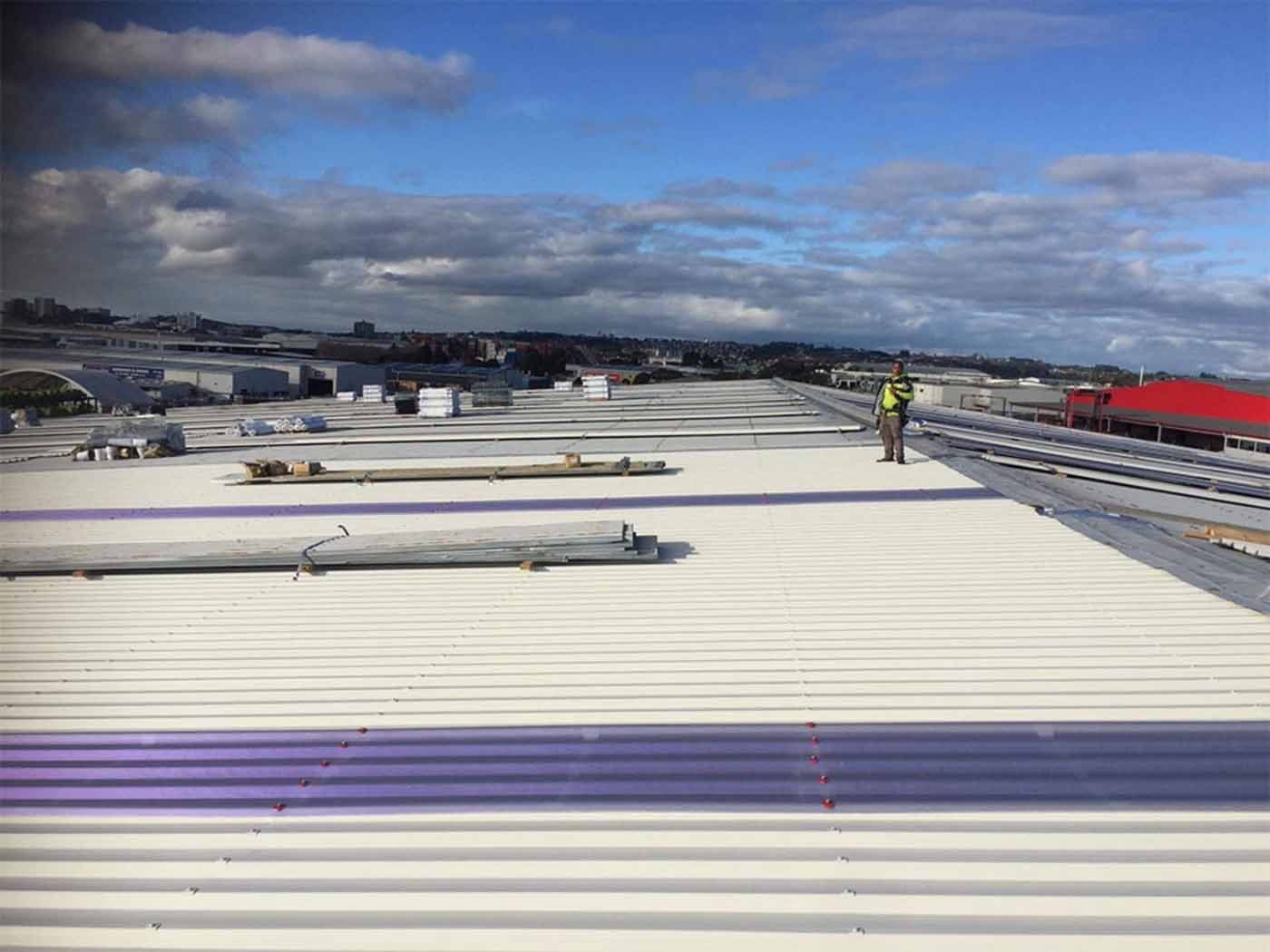
Warehouses, factories, schools, offices, and retail buildings all come with their own access challenges. There may be plant equipment on the roof, restricted working zones, sensitive stock below, or limited time windows to carry out noisy work.
That is why planning matters so much on commercial projects. The roof is only part of the job. The other part is how the job is staged and managed.
Our commercial roofing regularly works on buildings where timing, communication, and site safety matter just as much as installation quality.
Residential Reroofing
Residential reroofing is usually smaller in scale, but homeowners still face important choices around material, colour, profile, drainage, and how the roof suits the style of the house.
There is also a practical side that matters just as much. How weather-tight is the current roof? Is it worth repairing? Is the existing material too heavy? Is there hidden damage underneath?
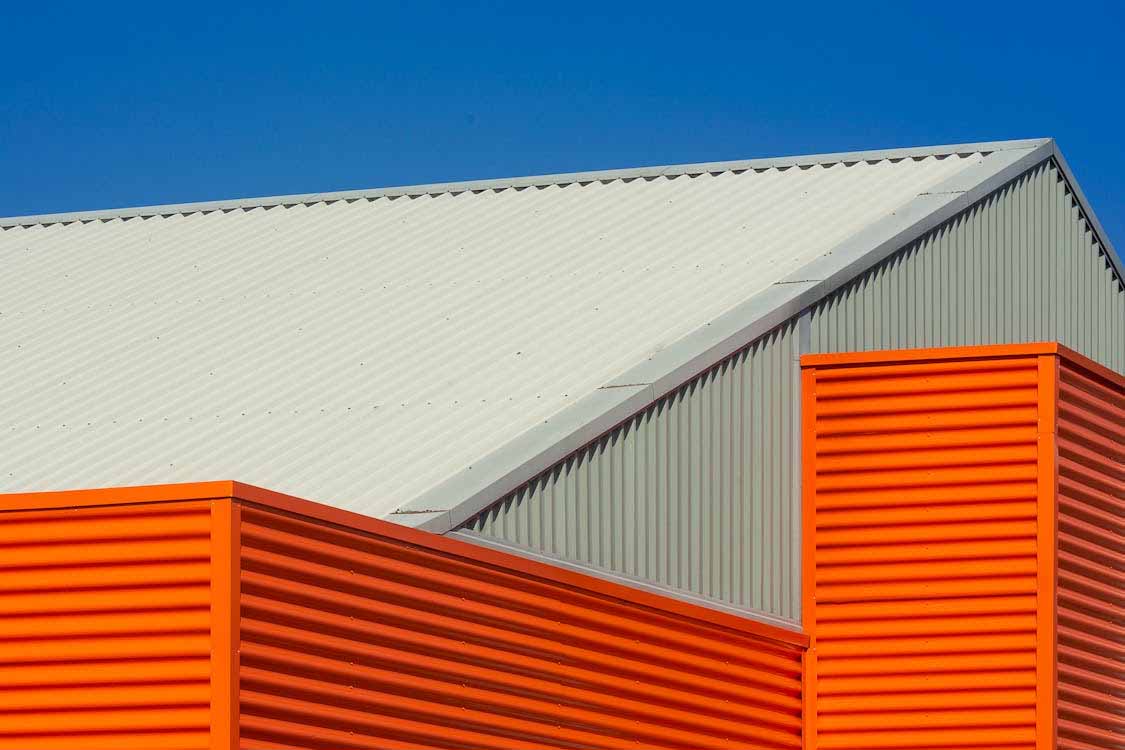
For many homes, changing to long-run steel can improve durability, reduce maintenance, and freshen up the look of the property at the same time.
Why Long-Run Steel Is Such A Popular Choice In Auckland
For both commercial and residential reroofing, long-run steel remains one of the most practical roofing options in Auckland.
There are good reasons for that.
It is strong, relatively lightweight, low maintenance, and well suited to New Zealand conditions. It performs well across large commercial spans, and it also works well on residential homes where owners want a clean, reliable roof without the upkeep that comes with older materials.
It also gives you flexibility. There are different profiles, finishes, and colours available, so the roof can be chosen to suit the building rather than forcing the building to suit the roof.
If you are working through material options, our article on industrial roofing materials, techniques and trends gives useful context around why steel continues to be the preferred option on many larger sites.
What The Reroofing Process Usually Looks Like
A good reroof should feel organised from the beginning. Not rushed. Not vague. Not stitched together as it goes.
This is the process we generally follow.
1. Inspection And Assessment
First, we inspect the existing roof properly. That means looking at the sheets, fixings, flashings, gutters, and the condition of the structure underneath where possible. We want to understand what is failing, what is still sound, and if there are any surprises likely to show up once the old roof comes off.
2. Scope, Materials, And Planning
Once we know what we are dealing with, we put together a clear plan. This covers material selection, access, safety requirements, likely timeframes, and any structural repairs that may be needed.
On commercial projects, this is also where staging becomes important. If the building needs to stay operational, the work needs to be sequenced carefully.
3. Removal Of The Existing Roof
The old roof is removed in a controlled way, and the underlying structure is checked as the work progresses. If damaged timber, corrosion, or other issues are uncovered, they are dealt with before the new roof goes on.
4. Installation Of The New Roof
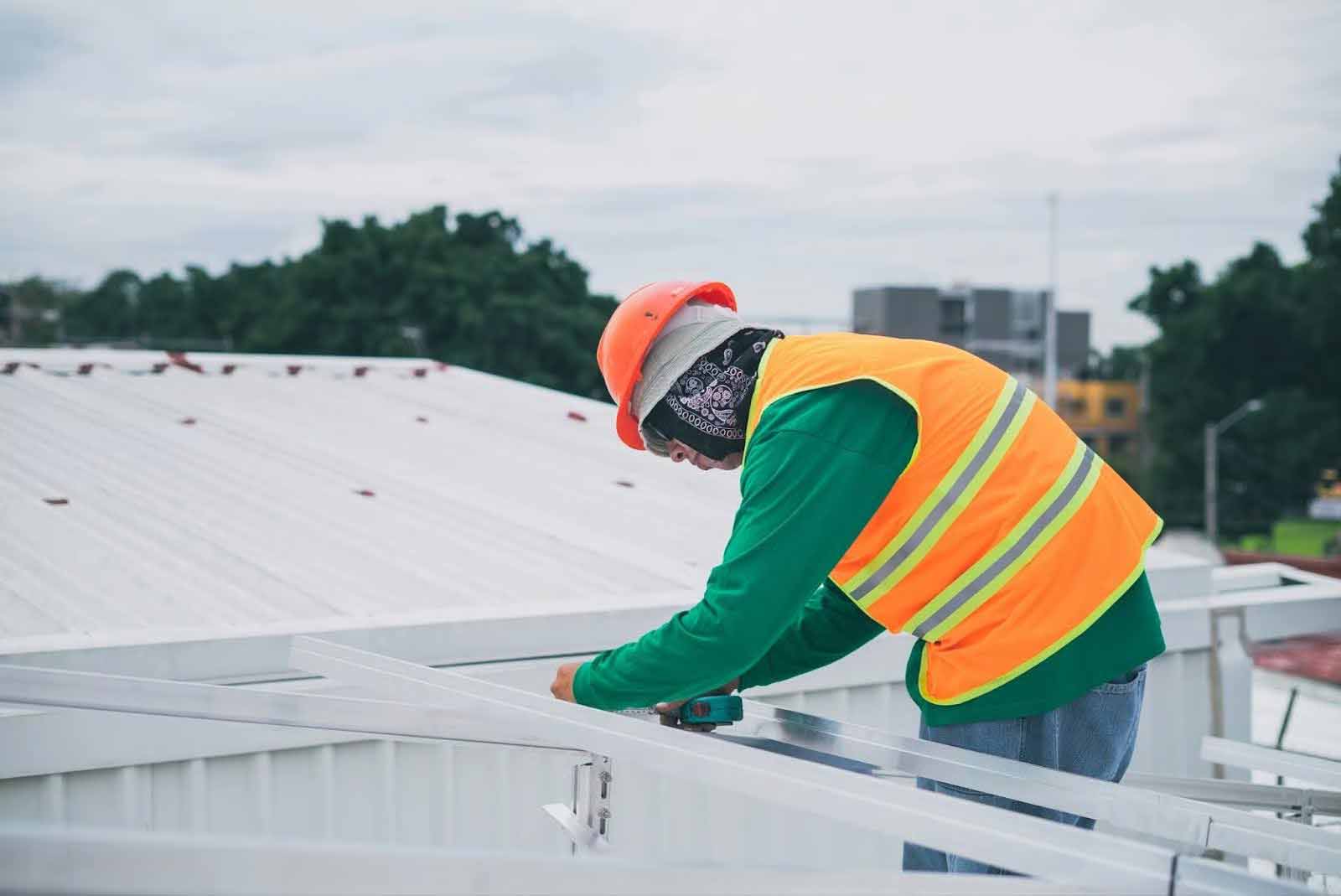
The new roofing system is installed along with required flashings, gutters, and other details that make the roof perform properly. This is also the right time to address things like ventilation, skylights, or roof safety systems if the project needs them.
5. Final Inspection And Handover
Before sign-off, the roof is checked carefully, the site is cleaned up, and documentation is supplied. That way you know the job has been completed properly and you have a clear record of what was done.
What Affects Cost And Timing
There is no universal reroofing price because no two roofs are the same.
The biggest factors are usually roof size, access, complexity, material choice, number of penetrations, flashing detail, structural repairs, and if asbestos or old tile removal is involved.
Timing works the same way. A simple residential reroof can move quickly. A larger commercial reroof with staging requirements, access limitations, or structural repairs will naturally take longer.
That is why site-specific advice matters. Broad estimates can be useful early on, but accurate planning starts with a proper inspection. Our commercial roofing cost guide is a good place to start if budgeting is part of your decision.
Reroofing Done Properly Is Worth It
A reroof is a serious investment, but so is continuing to pour money into a roof that is already on the way out.
Done properly, reroofing gives you certainty. It reduces ongoing maintenance, improves weather-tightness, and gives you confidence that the roof is doing its job again.
If your current roof is leaking, ageing, or becoming expensive to keep patching, it is worth having the conversation now rather than after the next storm.
Get in touch with our team to arrange an inspection and talk through your reroofing options.