When you manage a commercial property, you need a roof that will stand up to Auckland’s wind and rain, resist corrosion in coastal areas and cope with the weight of equipment, skylights and safety systems. Over our five decades in business, we have used many roofing materials. Time and again, we return to long‑run steel as the most reliable choice for commercial projects across New Zealand.
What Is Long‑Run Metal Roofing?
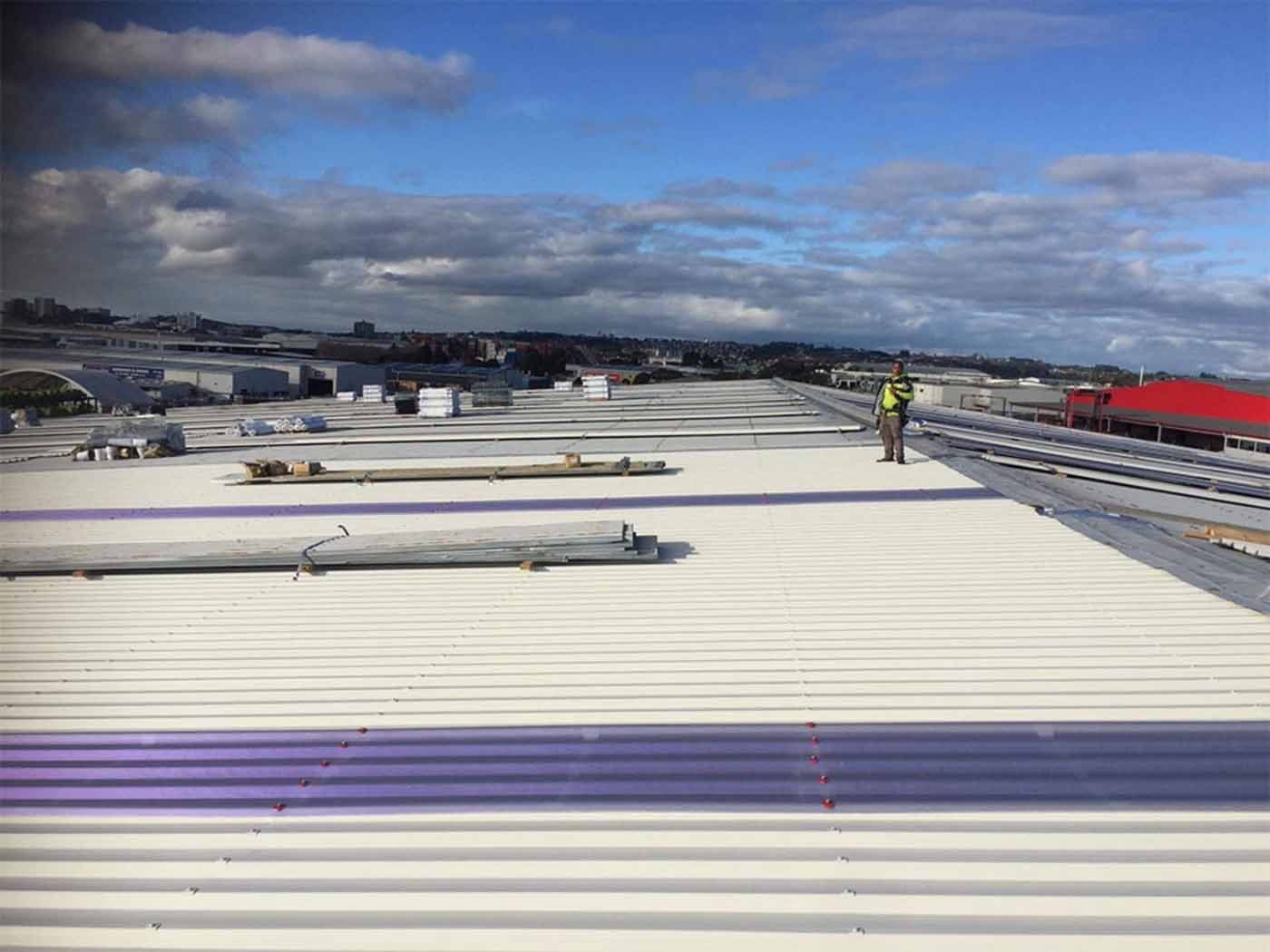
Long‑run metal roofing refers to steel roofing sheets that are roll‑formed in continuous lengths to suit your building. Instead of individual tiles or short sheets, long‑run steel is custom cut for the roof’s span, minimising joins and potential leak points. The steel is coated with either Colorsteel or Zincalume and painted in a wide range of colours to protect it from corrosion. Because it is produced locally, profiles and coatings are designed for New Zealand’s demanding weather conditions.
Advantages Of Long‑Run Steel
1. Lifespan
Long‑run steel has an impressive lifespan. With proper installation and maintenance, a commercial roof can last 40-70 years. The base metal is strong and stable, and modern coatings provide long‑term resistance to moisture and UV. Most products offer warranties of 15-30 years, and you can expect a well‑maintained roof to outlast those warranty periods.
2. Weather Performance
Auckland weather is famously changeable. Long‑run steel is built to handle it. The sheets interlock and overlap, creating a continuous barrier against driving rain and wind. High‑quality coatings protect against salt spray in coastal areas and the intense sun of summer. Properly installed flashings and fixings ensure water drains quickly and does not pool on the roof.
3. Lightweight Strength
Steel is light compared with tile or concrete roofing. This means roof structures can be designed efficiently, reducing costs and allowing for longer spans. Despite being lightweight, long‑run steel is incredibly strong, easily supporting skylights, safety systems and mechanical plant when designed correctly. For industrial and commercial buildings that house heavy machinery, having a strong yet light roof is a big advantage.
4. Sustainability And Recyclability
Long‑run steel roofing is made from high percentages of recycled material and can itself be recycled at the end of its life. The light weight also reduces transportation impacts compared with heavier materials. Choosing locally manufactured steel helps minimise embodied energy and supports New Zealand manufacturing jobs.
Why NZ-Manufactured Steel Outperforms Imported Materials
There are imported steel roofing products on the market. However, we believe locally produced steel is worth the investment. New Zealand manufacturers understand local conditions. Coating systems like Colorsteel and Zincalume are engineered for high UV exposure, salt‑laden winds and heavy rainfall. Profiles are designed to work with our building standards and roofing practices. When you choose NZ‑made steel, you know you’re getting a product that suits our climate and that comes with local support for any warranty claims.
We have worked with imported roofing on some projects, and we often see issues with coatings breaking down early or profiles that don’t suit local flashing details. The extra cost to rectify those issues quickly outweighs any saving on material. In our view, NZ‑made steel is the only reliable choice for long‑term performance.
Popular Profiles: Corrugate, Tray, Standing Seam
Long‑run steel comes in several profiles. Choosing the right one depends on aesthetics, roof pitch, span and structural considerations.
- Corrugate is the classic wavy profile you see on many warehouses and rural buildings. It suits a wide range of pitches and has a timeless look. The curves add stiffness, allowing for long spans.
- Tray profiles have flat pans with ribs on either side. They create clean modern lines and suit shallow pitches. Some tray systems use concealed fixings for a sleek finish.
- Standing seam is a sophisticated profile where the seams are folded and crimped together, hiding fixings and creating strong vertical lines. It’s popular on high‑end commercial buildings and architectural designs. It requires precise installation but rewards you with excellent water‑tightness and a striking appearance.
A roofing professional can help you select the profile that suits your building’s style and structural requirements. Our industrial roofing blog explains these profiles in more detail and shows where each works best.
Understanding Product Warranties
When you invest in a long‑run steel roof, you’re protected by both workmanship and product warranties. Product warranties cover the steel against corrosion and paint failure for 15 to 30 years, depending on the coating and environmental exposure. It’s important to read the terms; warranties can be voided if incompatible materials are used, if cuts are left unsealed or if maintenance is neglected. We use only approved fixings, sealants and flashings to ensure your warranty stays valid. Our five‑year workmanship guarantee covers the installation itself, so you have peace of mind on both fronts.
Our Commitment To NZ‑Made Steel
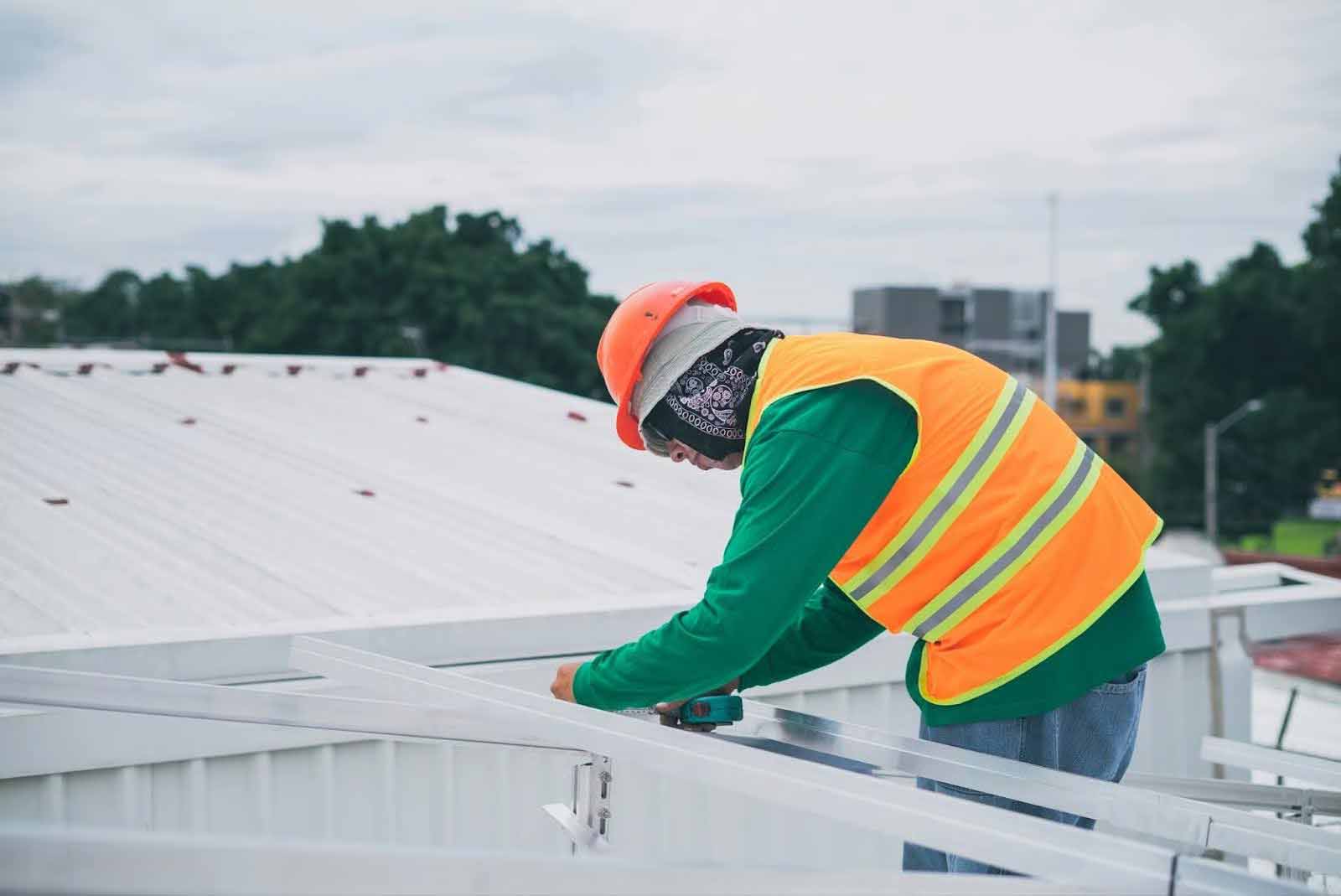
We’ve built our reputation on quality. That’s why we only install roofs using New Zealand‑manufactured long‑run steel from trusted suppliers. We specify the right coating for the exposure zone, select the appropriate profile for the structure and work closely with architects and builders to ensure the roof integrates with the rest of the building. Our team of Licensed Building Practitioners follows best practice for fixing, flashing and detailing, ensuring your roof meets Building Code requirements and manufacturer specifications.
We also include all the extras as part of our commercial roofing packages. Insulation, skylights, ventilation, safety systems, flashings, guttering and downpipes are all integrated into our installation process. We believe it’s easier and more cost‑effective to get these elements right during the initial build rather than retrofitting them later.
When Long‑Run Steel Makes Sense (And When It Might Not)
For most commercial buildings, long‑run steel is the obvious choice, as it excels on warehouses, factories, schools, office buildings, retail centres and industrial plants. It works on steep and low‑pitch roofs, large spans and complex forms. It’s durable, low maintenance and offers excellent value over its lifetime.
There are instances where other materials may be considered. Very low pitch roofs may require membrane systems. Heritage buildings might use tiles or shingles to match existing aesthetics. In those cases we still advocate for high‑quality, locally sourced materials and proper installation. We’re happy to discuss options and will always recommend the solution that best protects your building.
If you’re planning a new roof or replacement, talk to us about how long‑run steel could work for you. Our commercial roofing team can provide a tailored specification. Contact us to discuss your project and let us deliver a roof that will stand the test of time.